

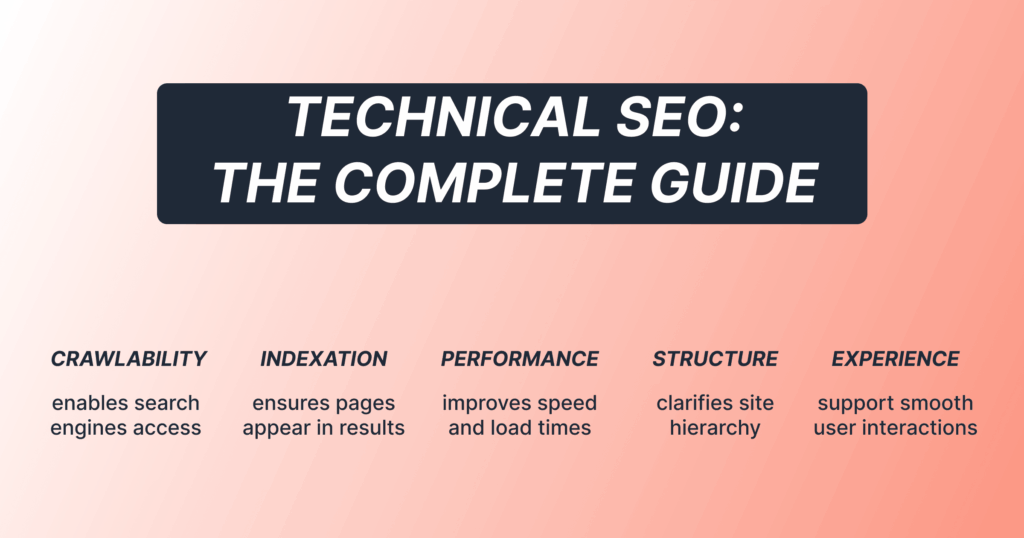
Technical SEO: the complete guide
Technical SEO explained: crawling, indexing, redirects, structured data, hreflang, and Core Web Vitals, with a free browser extension to check each one.
You can learn SEO on your own, for free, by working on real pages. That is how most working SEOs learned it. No course login, no credit card, no cohort to wait for. Read a guide here, then run the check on a page you actually care about and watch what changes.
SEO is the work of making a page easy for search engines to find and understand, so it shows up when someone searches for what you offer. In 2026 that means two audiences at once: the classic Google results, and the AI answers from tools like ChatGPT, Perplexity, and Google’s AI Overviews. Both pull from the same crawlable, well-structured pages, so the fundamentals you learn here serve both.
Most of SEO fits into four areas. Learn them in this order, and the rest falls into place:
New to all of this? Start at the top. Confirm a page is indexed, fix the technical issues blocking it, then sharpen the content and earn links. Use the free browser tools next to each guide so you can check your own pages as you read, not just read about someone else’s.
One honest note: SEO has no secrets and no shortcuts, and results take weeks to show. The trade is that the work compounds. A page you fix today can bring in traffic for years.
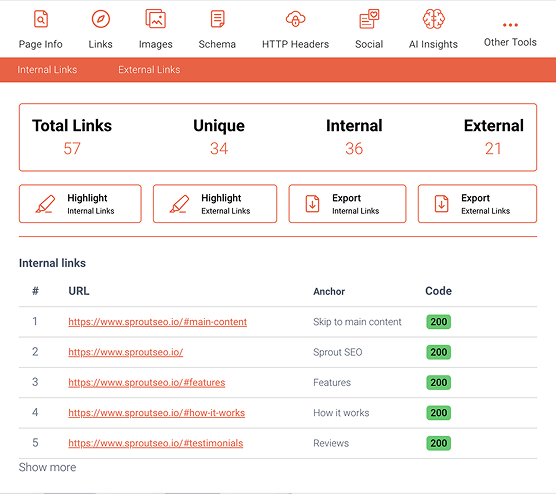
Highlights, filter, and check links for redirects or 404s instantly.
 Add to Chrome
Also available for Firefox
and Edge.
Add to Chrome
Also available for Firefox
and Edge.
A stray 302 left where a 301 belonged is one of the most common reasons a migrated page never recovers its rankings. The site moves, the traffic dips, and weeks later the destination still has not absorbed the old page’s authority, because the server kept telling Google the move was temporary.
Yes. SEO has no gatekept knowledge and no required certification. The two things you need are free: Google Search Console for your own data, and guides that show you what to do with it. Read one topic, apply it to a real page, then move to the next. You learn faster by fixing your own site than by watching someone fix theirs.
SEO is very much alive. The results page just looks different now. AI Overviews and chat answers sit next to the classic blue links, and they pull from the same crawlable, well-structured pages. The fundamentals on this page (crawlability, clear content, authority) are what earn visibility in both. In 2026, learning SEO means getting found by search engines and AI answers at the same time.
Start with technical SEO, because a page that cannot be crawled or indexed will never rank no matter how good the content is. Confirm your pages are indexed, fix broken links and redirect chains, then move to on-page basics like titles and headings. Use a free SEO browser extension to check each page as you learn, so every concept is tied to something you can see.
Yes, and most working SEOs are self-taught. There is no degree for it. What separates people who learn it from people who stall is reps: running real checks on real pages and reading the results. Free tools and short guides give you everything you need to start today.